

Oodles of noodles types: a guide
23 October, 2020
Which noodle do you prefer?
Noodles are undeniably awesome. Loved across various cuisines, there’s so many types of noodles, all suited to different dishes. But it’s this variety that can sometimes baffle an enthusiastic noodle lover. If you’ve ever looked at a menu or stood at the supermarket shelf wondering just what the difference is between noodle types, we’re here to guide you.
Let’s untangle your noodle knowledge. We’ve put together a cheat sheet to some of the most common noodle types, what they’re made of, and how to enjoy them. For the purposes of this article, we’ll keep the focus on Asian noodles, but of course there are strong noodle traditions in many other parts of the world too.
Wheat noodles
Wheat noodles is one of the broadest styles of noodles. They can come in a variety of widths and lengths, as well as fresh and dried varieties. Here’s some of the most common types:
- Udon: A thick, toothsome Japanese noodle, that’s got a neutral flavour and is commonly sold in pre-cooked, vacuum packed portions. Udon is great for using in soups and stir fries.
- Somen: A dried Japanese noodle made very thin by stretching the dough – originally by hand, but more commonly done now by machine. Somen is traditionally served cold during summer with a light dipping sauce.
- Shanghai noodles: A good all-rounder noodle for Chinese recipes, available fresh or dried.
Egg noodles (and alkalised noodles)
These wheat-based noodles also include egg (or sometimes an alkaline agent like lye water to replace the egg). With stronger proteins, these noodles often have a firmer bite.
- Hokkein noodle: These fresh, chewy noodles have a deep yellow colour and are popular in Singaporean and Malaysian cuisine, especially dishes like Hokkein mee and curry mee. They are available vacuum packed and just need a quick blanch in boiling water before adding to stir fries.
- Ramen: A Japanese noodle that’s very thin and long, usually alkalised with lye water. Ramen is available fresh or dried and is best enjoyed in soup.
Buckwheat flour noodles
Buckwheat flour noodles are popular in Korea and Japan. Proportions of flours can vary, and many varieties also include wheat flour to increase the noodle’s strength, so if you’re gluten- intolerant be sure to check the label. Buckwheat noodles have an almost nutty flavour.
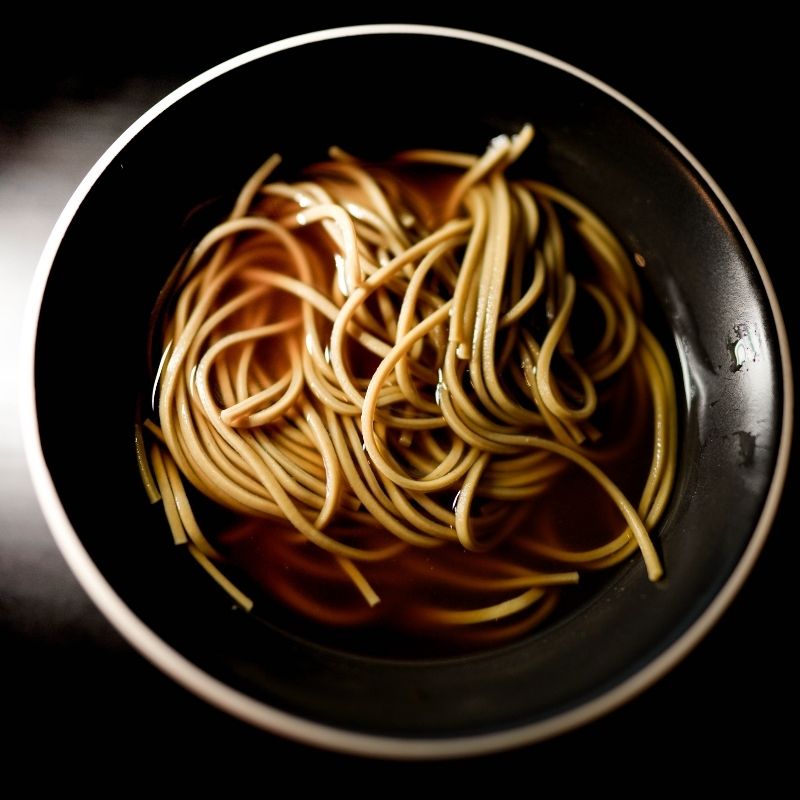
- Soba: These Japanese noodles are thin and are commonly available in dried form. They’re great cold with a dipping sauce or added to salads, as well as hot in broth.
- Naengmyeon: A Korean noodle made from a combination of buckwheat flour and sweet potato starch. They’ve got a chewy texture and are popular for using in cold soups.
Rice noodles
Rice noodles also come in a huge range of widths and lengths. They’re available both fresh and dried. With a mild flavour, rice noodles are used in soups, salads and stir fries, and are great at absorbing flavours of sauces and broths.
- Rice vermicelli: With a variety of names across countries, these super thin, dried noodles have a neutral flavour and can be used across many dishes. They just need to be soaked in boiling water for around 6 minutes before boiling for another minute. Rice vermicelli can also be deep fried from raw to make a crunch garnish.
- Rice stick: Available in different thicknesses, thick rice stick noodles are most famous for their use in pad Thai, and a thinner noodle is the basis of pho. Soak in hot water to soften (follow instructions on the pack as times can vary) before using in soups or stir fries.
- Chow fun (or he fen): A fresh, wide rice noodle popular in Cantonese cooking that’s great for stir frying. These are the noodles used in Malaysia and Singapore’s char kway teow. (Don’t miss Ya Malaysia’s version!).
Starch-based noodles
A variety of vegetable starches can also be used to make noodles. This includes mung bean, cassava, sweet potato, potato and tapioca. Because they don’t use flour, these noodles are gluten-free making them great for people with intolerances. Some of the examples you’re most likely to find include:
- Bean thread noodles (cellophane or glass noodles): Made from bean starch, these dried noodles need soaking before cooking. They’re used in spring roll stuffing, stir fries, soups and salads.
- Dangmyeon: These Korean noodles are made using sweet potato starch and are commonly used in the stir fried dish, jap che (which you can get at Tori Korean Street Food).
Other noodles
- Tapioca noodles: Common in Vietnamese food, these noodles are usually available fresh in Asian supermarkets, but are also available dried.
- Shirataki noodles: These are a low-carb, gluten-free, zero calorie noodle. They’re sold packaged in water and usually require rinsing before cooking. Shirataki is traditionally used in sukiyaki, but many low-carb lovers use the noodles in a variety of other dishes.
Where to buy your noodles
Chatswood has no shortage of places to stock up on noodles. You can get a great range at Asian City or Woolworths, and of course, you can dine in or get takeaway at places like Chang’An Noodles, Malatang Funhouse and 1Ton.
