

Pastry perfection – Know the difference between pastries
6 February, 2020
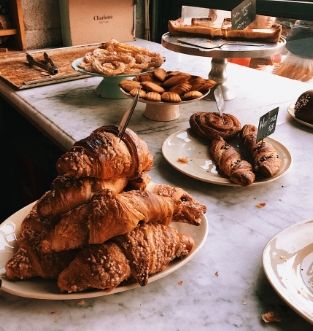
Mmmmm pastry! One of the best smells in the entire world (in our humble opinion) is the smell of fresh pastry that’s just come out of a hot oven. It’s a nostalgic and comforting smell that soothes our senses and makes our tummies rumble for patisserie treats. There are quite a few different pastry types out there and each is used for different types of dishes. Some are flaky, some are slightly chewy and some are crumbly… but there’s one thing we know for sure, pastry is one of the oldest recipes in the history books and it’s still going strong today!
In fact, it was the Egyptians who came up with one of the earliest forms of pastry by combining flour and water into a paste which was then often wrapped around meat and then baked. Pastries were later developed in the middle east and would eventually be brought to Europe which gained huge popularity in the medieval period. And now, well.. pastry is pretty much everywhere, in various forms. Here’s the lowdown on the most popular forms of pastries we see today.
Shortcrust Pastry
Shortcrust is by far the most commonly used type of pastry consisting of flour, butter and water to make its dough. Simple kneading is all it takes to create this versatile pastry and is the perfect for creating casings for pies, tarts and quiches.
Puff Pastry
Puff pastry’s texture is exactly as it sounds. Made with the same ingredients as shortcrust, puff pastry gets its flaky pillow-like texture due to the layering technique used. Although time consuming, the layering technique produces rewarding results. It’s the water and butter expanding that cause the pastry to rise up from the steam within that creates the gaps between layers that gives this pastry an airy, puffed texture.
Phyllo Pastry
Popular in Mediterranean-style baking, phyllo (or sometimes spelt filo) pastry is paper thin and traditionally used as an edible parcel for its fillings. Once the parcel is constructed, it’s usually lightly brushed with butter before baking as this helps ‘crisp’ up the super thin pastry. Usually it’s made with flour, water, salt and a dash of oil and can be folded, layered and ruffled into shapes of your choosing. Spanakopita is a delicious savoury dish that features puff pastry, and baklava is a sweet dish commonly created with this versatile pastry.
Pâte à choux
Pronounced ‘shoo’ is a light pastry dough used in many European and European-derived cuisines and is made from butter, water, flour and eggs. Instead of a ‘raising agent’ being added, it has a high moisture content which creates steam which then ‘puffs’ the pastry up. First the water and butter is combined and is boiled before adding flour and then finally is cooled before adding eggs to achieve the perfect consistency. This boiling step is what causes starch in the flour to ‘gel’ allowing more water to be added. You’ll see choux pastry in dishes from profiteroles to Parisian gnocchi!
